
Things to Do in Iasi, Romania: My Picks After Several Visits
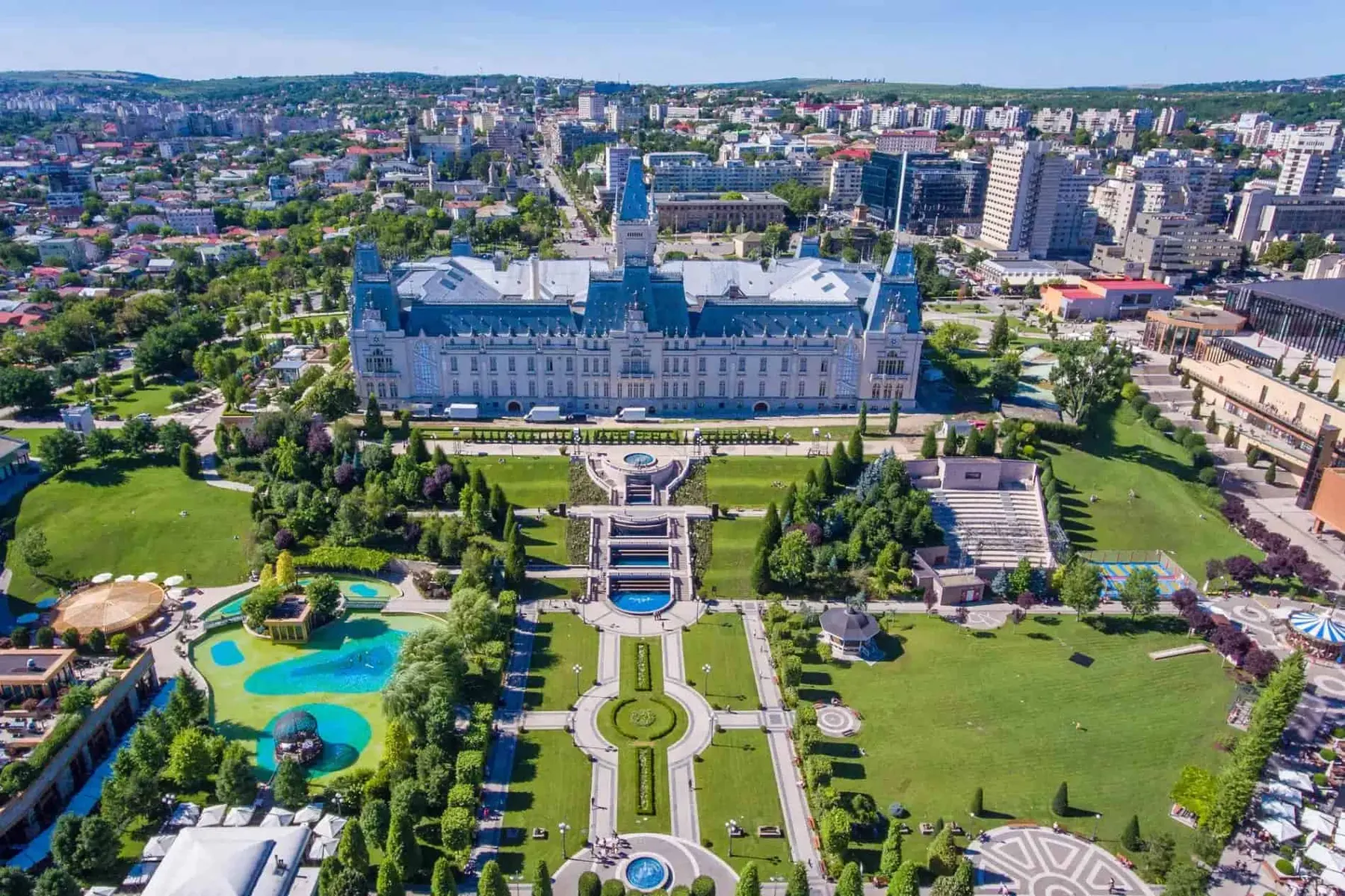
I’ve visited Iasi several times over the years, both by car and without one, and in different seasons. My latest trip was a two-day winter visit, while on another trip I stayed for about five days during warmer weather.
What surprised me most about Iasi was not a single monument, but how pleasant the city feels between them. It is greener than I expected, with tree-lined streets, parks and large quiet areas around Copou and the Botanical Garden where the city almost disappears.
There is also enough history and architecture to fill a couple of days without rushing.
If you are deciding what to do in Iasi, this is what I would prioritize based on the places I have actually visited — including a few stops that are worth seeing only if you are already nearby.
Is Iasi Worth Visiting?
Yes, especially if you enjoy history, architecture and green cities rather than destinations built entirely around tourism.
Iasi does not have one compact old town where every attraction is five minutes apart. Instead, you have the Palace of Culture and historic center in one area, Copou farther north, and several interesting places scattered between them.
That is actually part of what I like about it.
For a first visit, two full days are enough for the main sights. Three days gives you more time for museums and the Botanical Garden, while a longer stay makes sense if you want to explore places outside the city.
Best Things to Do in Iasi
1. Give the Palace of Culture Enough Time
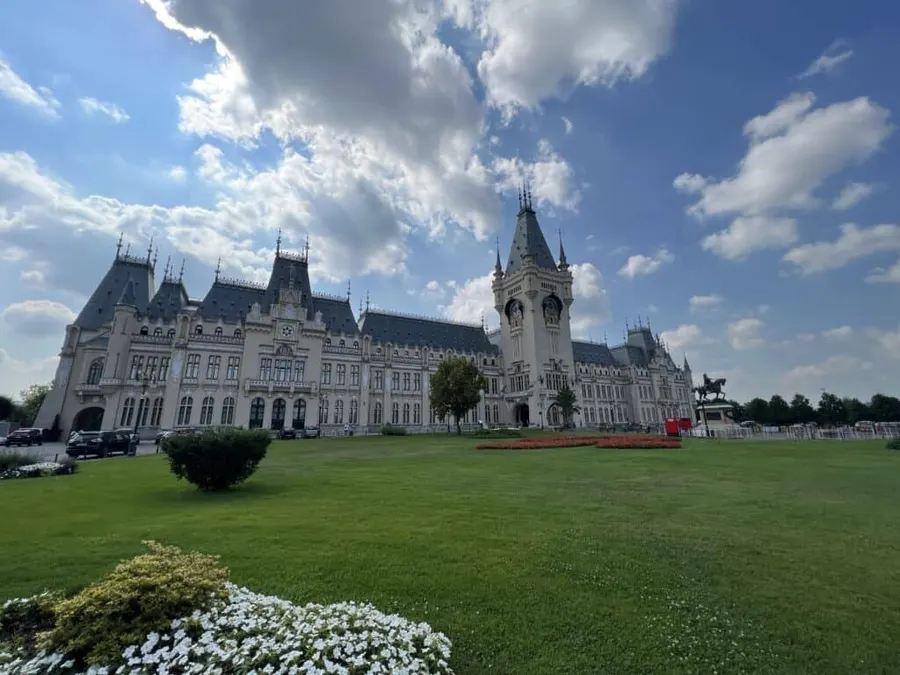
If I had to choose only one attraction in Iasi, it would be the Palace of Culture.
Do not treat it as a building you photograph from outside and leave.
Inside are four museums — history, art, ethnography, and science and technology — plus the representative halls of the palace. There is also a separate guided visit to the Clock Tower.
I visited all the museum sections and also did the Clock Tower tour. You can easily spend several hours here if you are actually interested in the exhibitions.
Do not skip the Clock Tower.
The tour is short compared with the museums, but going up inside the tower and seeing another part of the building made the visit much more memorable for me. Access is organized in guided time slots and uses a separate ticket, so check availability when planning your visit.
If you only have one day in Iasi, I would put this first.
My time estimate: at least 2–3 hours; longer if you want to visit everything without rushing.
2. Walk Along Ștefan cel Mare Boulevard
From the Palace of Culture, continue on foot along Bulevardul Ștefan cel Mare și Sfânt.
Several important places are clustered along this route, so you can see them naturally without travelling across the city.
Three Hierarchs Monastery
This is one of the churches I would definitely stop for.
What makes it memorable is the exterior: the façades are covered in extremely detailed stone decoration rather than the relatively plain walls you see on many churches. The monastery was built under Vasile Lupu between 1637 and 1639.
You do not need a huge amount of time here. Stop, walk around the exterior and go inside if it is open.
Saint Virgin Mary, Queen Catholic Cathedral
A few minutes away is the Roman Catholic Saint Virgin Mary, Queen Cathedral.
Its modern circular architecture makes it look completely different from the historic Orthodox churches nearby. The current cathedral was completed and consecrated in 2005.
It is an easy addition because you are already walking through the area.
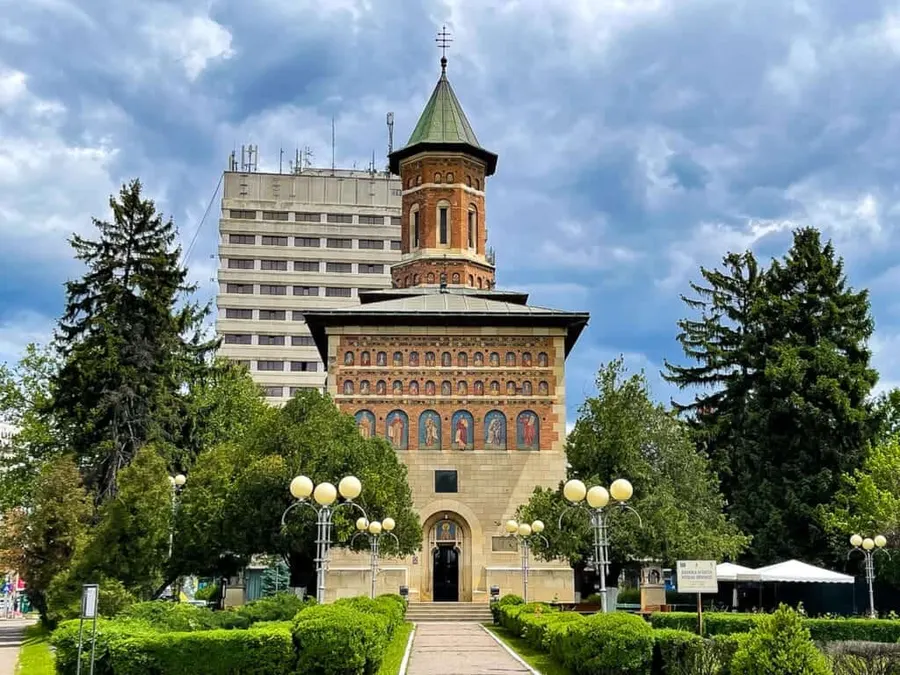
St. Nicholas “Domnesc” Church
Another short stop close to the Palace of Culture.
I would not cross the entire city specifically for it, but when you are already exploring the historic center there is little reason not to walk over and see it.
This is a recurring theme in Iasi: several places are worthwhile because they fit naturally into a walking route, not because each one needs an hour.
3. Spend Time in the Botanical Garden
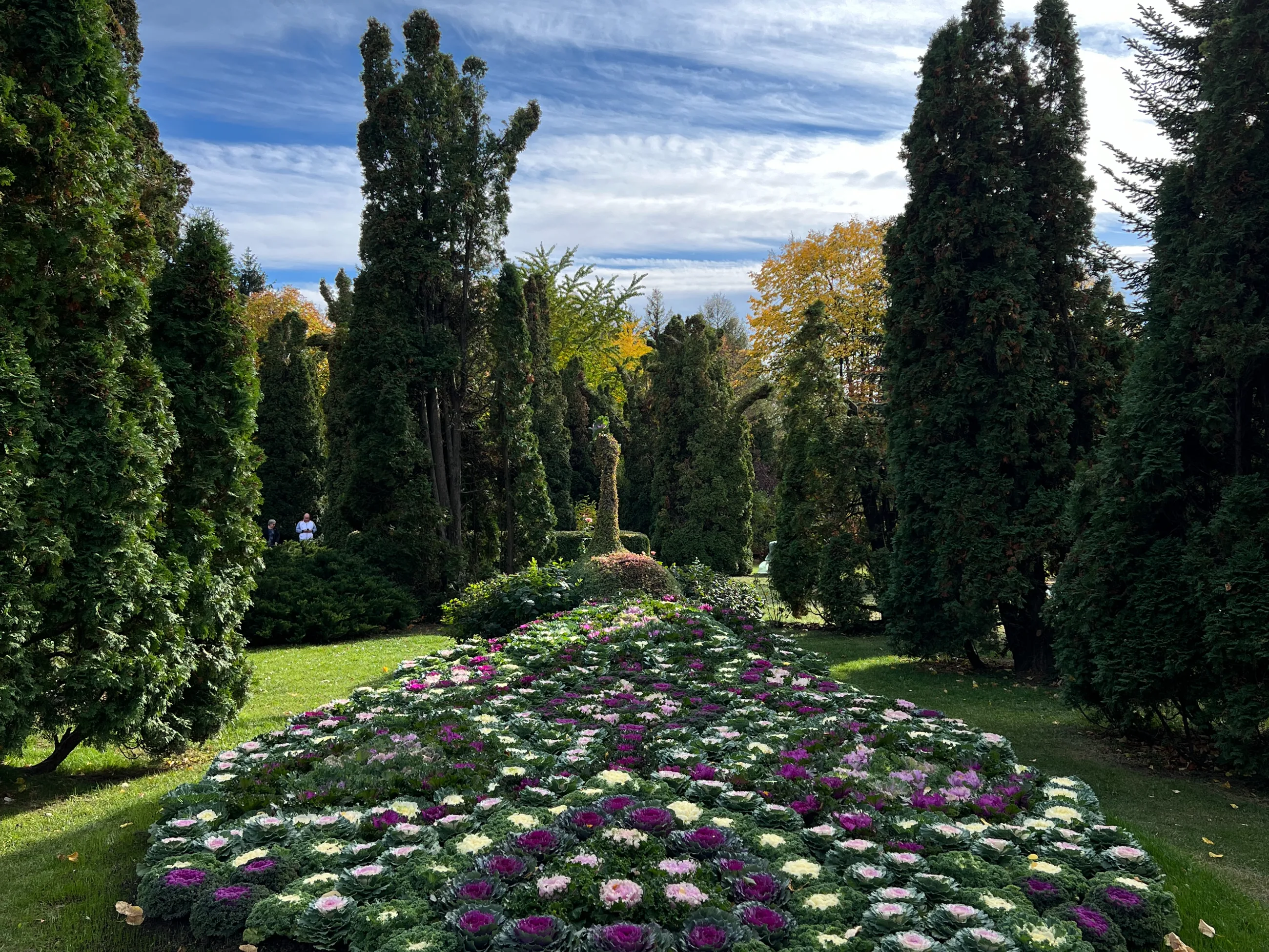
The Anastasie Fătu Botanical Garden was another highlight for me.
Iași has a particularly strong connection with botanical gardens: the first botanical garden in Romania was founded here in 1856. The present garden also runs seasonal exhibitions throughout the year.
But this attraction is very dependent on when you visit.
On one of my visits, I happened to arrive during a hot pepper exhibition, which made the experience much more interesting. At another time of year, the garden can obviously look quite different.
Do not schedule it like a 30-minute city attraction. If the weather is good and seasonal collections are open, you can spend a long time simply walking.
This is also where the green side of Iasi becomes most obvious. Once you move deeper into the garden, it feels much less like being in a large city.
Check the official Botanical Garden website before going because opening times for the outdoor sections, greenhouses and exhibitions vary by season.
4. Walk Through Copou Park
Combine the Botanical Garden with Copou Park rather than treating them as completely separate excursions.
Copou is one of those areas that explains why I remember Iasi as such a green city.
There are large trees, shaded paths and enough space that, especially outside busy periods, it feels calmer and cooler than the central streets.
The famous Eminescu Linden Tree and the Lions’ Obelisk are here, but I would come mainly for the walk rather than just to photograph those two landmarks.
If the weather is good, Botanical Garden + Copou makes a very pleasant half-day.
5. See the Hall of the Lost Steps — If You Are Already in Copou
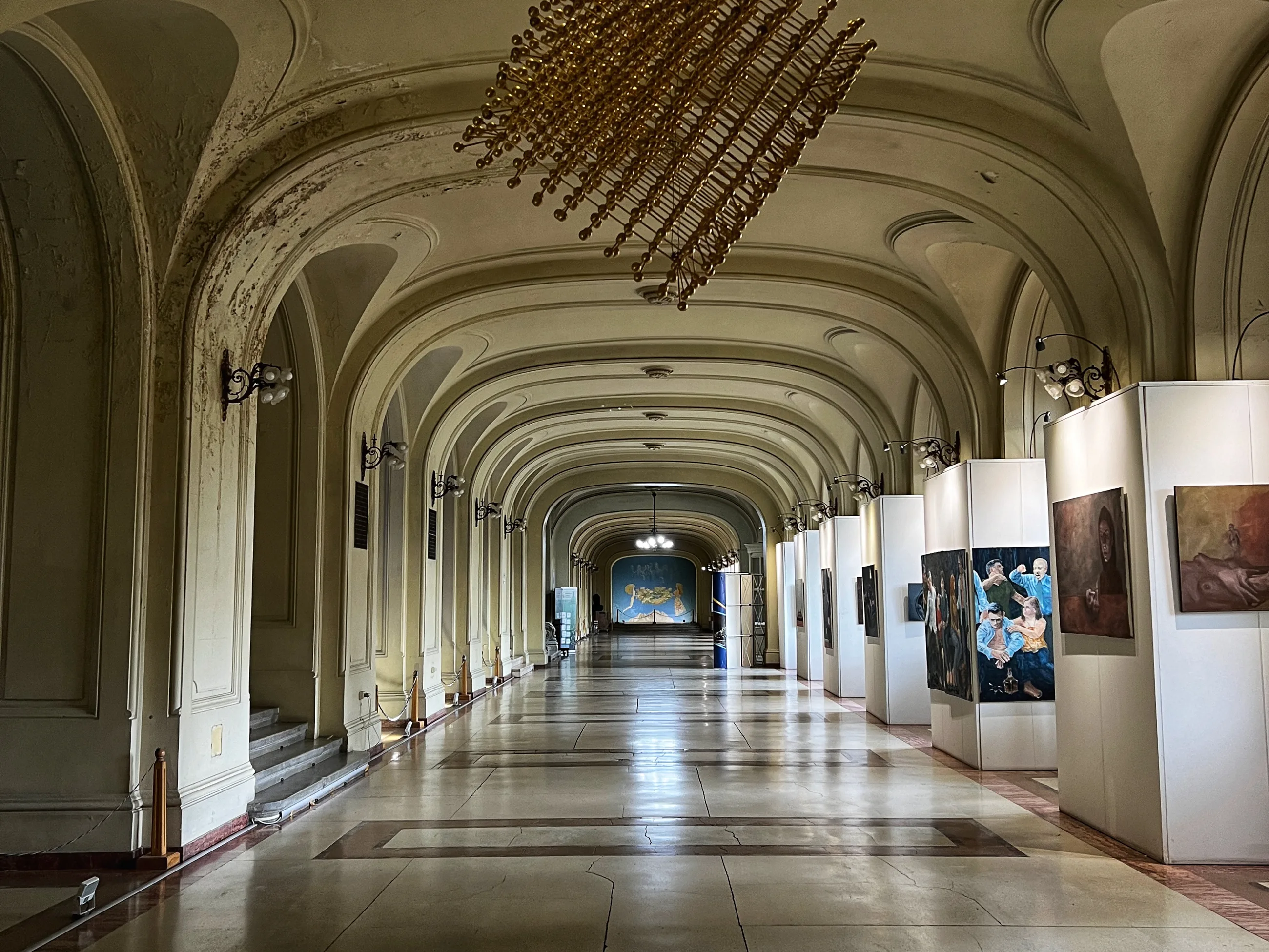
The Hall of the Lost Steps (Sala Pașilor Pierduți) is inside the main university building in Copou.
It is worth going inside for the architecture and large murals, and the university itself is an important part of the character of this area. The building dates from the late 19th century, and the hall is included among the main spaces visitors can see in the university complex.
But I would put this in the category:
worth seeing when you are already nearby — not something I would cross Iasi specifically to visit.
Give it a little time, take some photos, then continue exploring Copou.
6. Visit the Museum of the Union
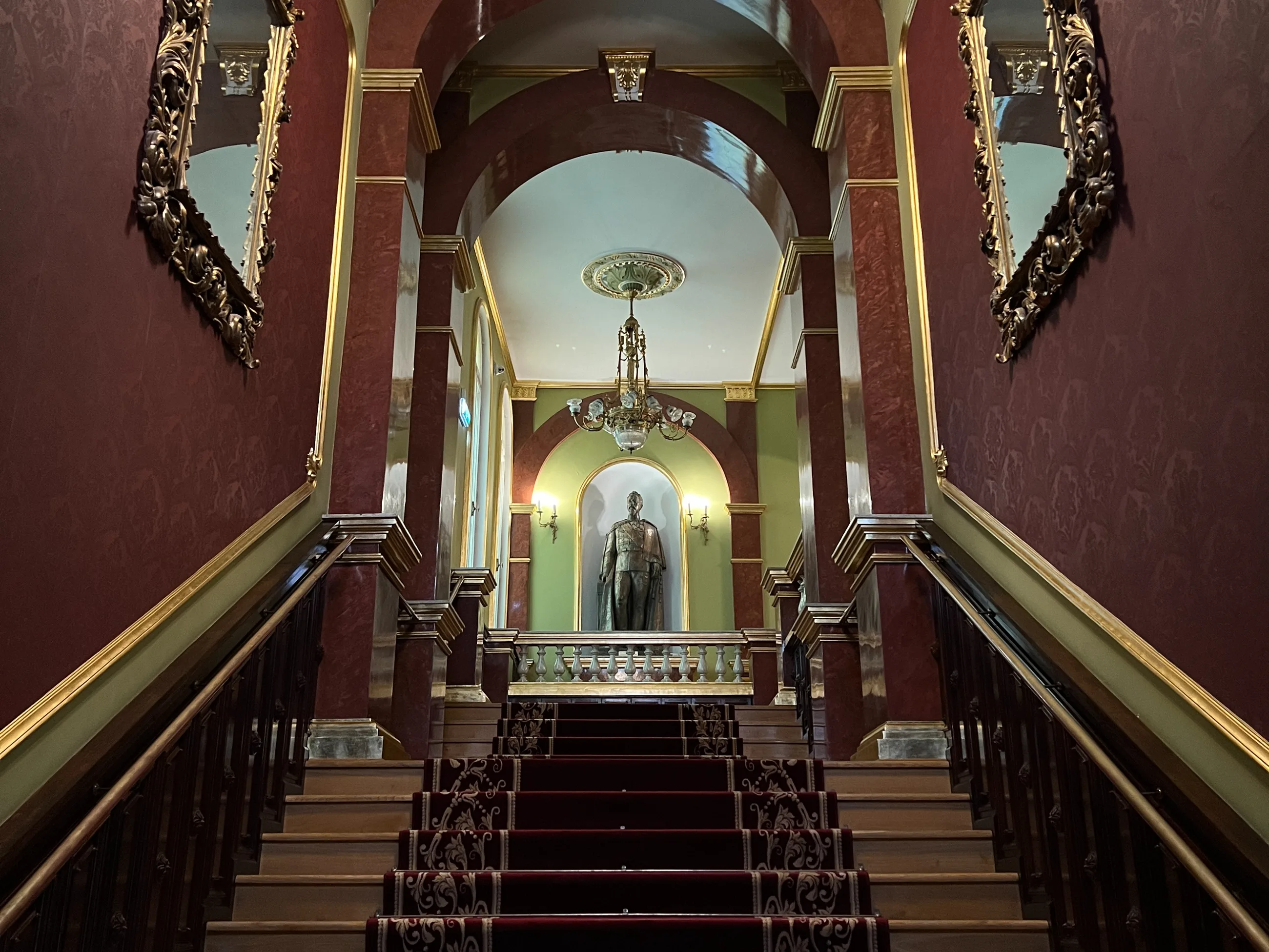
The Museum of the Union (Muzeul Unirii) is on Alexandru Lăpușneanu Street.
The building itself was the residence of Alexandru Ioan Cuza between 1859 and 1865 and later served as a royal residence during World War I.
If you are interested in Romanian history, it is much more meaningful than simply reading another plaque outside a historic building.
I would combine it with a walk along Lăpușneanu Street and Piața Unirii rather than making a separate journey just for the museum.
7. Walk Along Lăpușneanu Street and Piața Unirii
After the museum, continue along Alexandru Lăpușneanu Street toward Piața Unirii.
Historically, this street connected Copou with the central part of the city and became known for shops, cafés and leisurely walks.
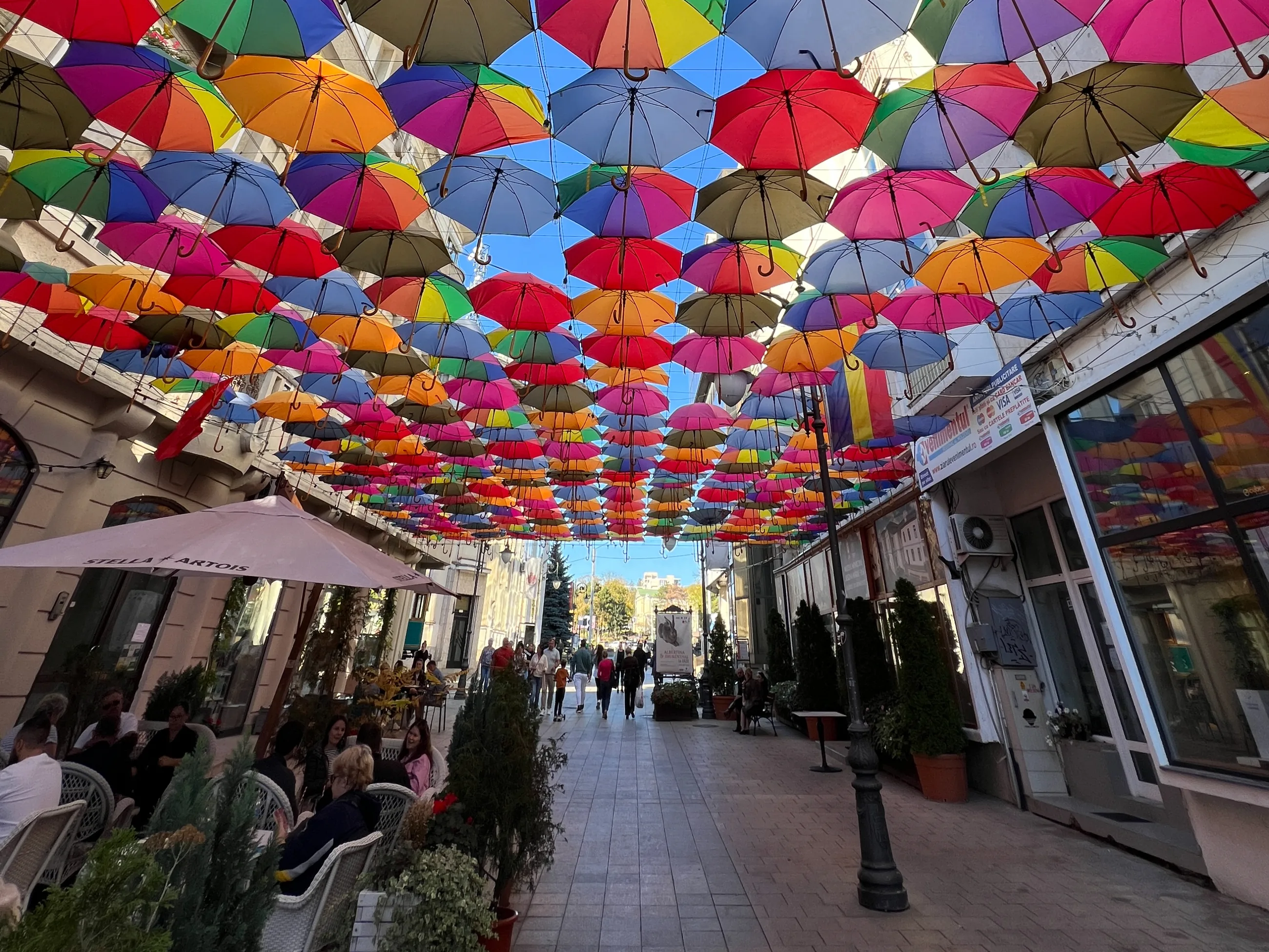
There are often small details, decorations and photo spots around this area — including the umbrella installation I found nearby on one of my visits.
Do not plan an hour around the umbrellas themselves. Take the photo if they are there and continue walking.
8. Stop at Râpa Galbenă, but Keep Expectations Realistic
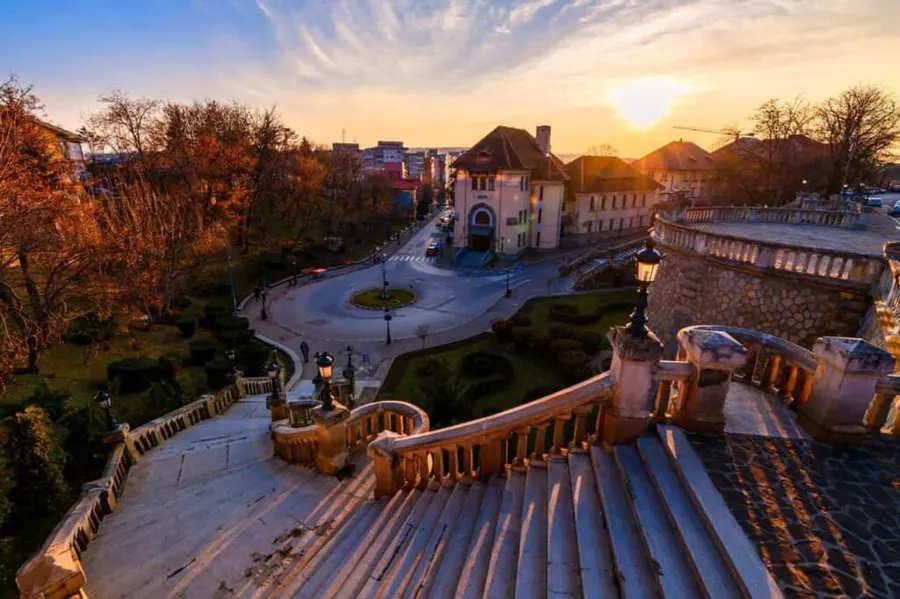
It is actually the location of the Elisabeth Esplanade, an architectural structure developed around the turn of the 20th century to connect the lower railway station area with the upper city and help stabilize the unstable slope.
It looks interesting and photographs well.
But again, I would not build an itinerary around it.
If your walking route takes you nearby, stop for 10–15 minutes, look around, take a few photos and continue.
What I Would Prioritize If I Had Only One Day
With just one full day, I would not try to tick off every church and museum.
I would roughly do:
Palace of Culture → Ștefan cel Mare Boulevard → Three Hierarchs Monastery → central area → Piața Unirii / Lăpușneanu → Copou
If the Botanical Garden is particularly attractive during your visit, I would make space for it and potentially skip one or two smaller central stops.
The Palace of Culture and Botanical Garden are the two places where I personally would least want to rush.
Where I Prefer to Stay in Iasi
After several visits, my preferred area is around Strada Zimbrului / Palas.
There are many newer apartment buildings there, and the location is extremely convenient.
You are close to:
Palas Mall
Palace of Culture
restaurants and the food court
shops
public transport
the central walking area
That means you can leave the accommodation and already be close to the part of Iasi where you will probably spend most of your first day.
For me, that convenience is more useful than saving a little money on accommodation farther from the center.
Getting Around Iasi: You Probably Don’t Need a Car
I have visited Iasi both with and without a car.
For sightseeing inside the city, I prefer not using the car.
A lot of the central attractions can be connected on foot, and for longer distances I mostly use the tram.
I have travelled on both the older trams and the newer ones, and the modern vehicles are genuinely pleasant to use.
I normally bought tickets from the machines at the stops. Mobile ticketing is also available; 24pay supports public transport tickets in Iasi, alongside local digital ticket options.
For an ordinary sightseeing trip, the combination of:
walking + tram + occasional taxi/ride-hailing
is easier than constantly looking for parking.
I would use a car mainly if I planned to leave Iasi and explore the surrounding area.
When a Car Becomes Useful
A car makes much more sense for places outside the city.
For example:
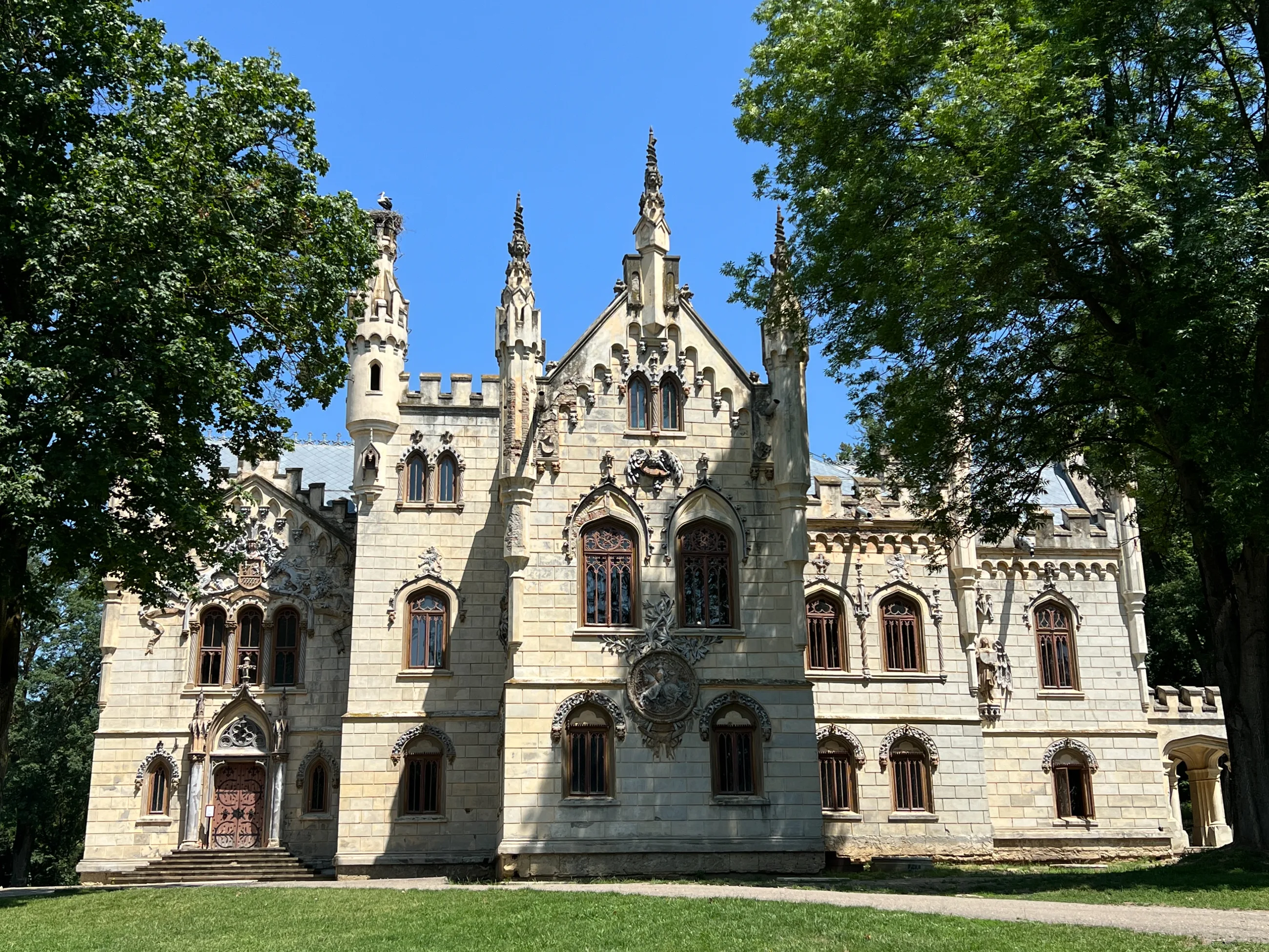
Sturdza Palace at Miclăușeni
This neo-Gothic estate is far enough from Iasi that driving makes the visit considerably easier.
Monasteries Around Iasi
Places such as Hadâmbu, Cetățuia and other monasteries around the region are also easier to combine into a trip if you have your own car.
I would keep those for a separate day rather than trying to squeeze them between city attractions.
Where to Eat
I do not have a list of “must-visit restaurants” in Iasi because that has never been the purpose of my trips.
Most of the time I simply ate around Palas, often at the food court.
For me that works well: plenty of choice, little time wasted, and I can get back to exploring the city.
If food is a major part of how you travel, you may want to research restaurants separately. But you do not need to organize your entire Iasi itinerary around dining reservations.
Best Time to Visit Iasi
I have seen Iasi in both cold and warm periods, and the experience changes quite a lot.
If your priority is parks, Copou and the Botanical Garden, I would choose late spring, summer or early autumn.
The greener months are when Iasi shows the side of the city that surprised me most.
Winter still works well for the Palace of Culture, museums, churches and central walks, but obviously you lose part of the experience offered by the parks and gardens.
The Botanical Garden in particular is worth checking before the trip because its greenhouses and seasonal exhibitions follow their own schedules.
How Many Days Do You Need in Iasi?
I would say:
1 day: possible, but you will need to choose carefully.
2 days: enough for the main sights without turning the trip into a race.
3 days: better if you enjoy museums, want proper time in the Botanical Garden or prefer slower travel.
4+ days: useful mainly if you also plan day trips outside Iasi.
I have stayed for both short visits and several days, and I never felt that I needed a car simply to see the city itself.
Final Thoughts
The reason I keep returning to Iasi is not because it has one spectacular attraction and nothing else around it.
The Palace of Culture is genuinely impressive, but what makes the city enjoyable is the combination: historic buildings, churches, museums, trams, large parks and a surprising amount of greenery.
In warmer months, especially around Copou and the Botanical Garden, there are places where it barely feels like you are in a busy Romanian city.
If you have only a short visit, prioritize the Palace of Culture, the central walking route and either Copou or the Botanical Garden.
Then add smaller places such as the Hall of the Lost Steps or Râpa Galbenă only when they naturally fit your route.
That is how I would visit Iasi again.
Rate this guide
No ratings yet
Be the first to rate this guide.
Tap to rate
Questions & Comments
Travel Smarter, Not Harder
Get practical travel tips, hidden gems, and real experience-based guides straight to your inbox.
By subscribing, you agree that I may use your email to send newsletter updates, new guide alerts, and occasional travel emails. You can unsubscribe anytime using the link in any email. Read the Privacy Policy and Cookie Policy.
Read Next
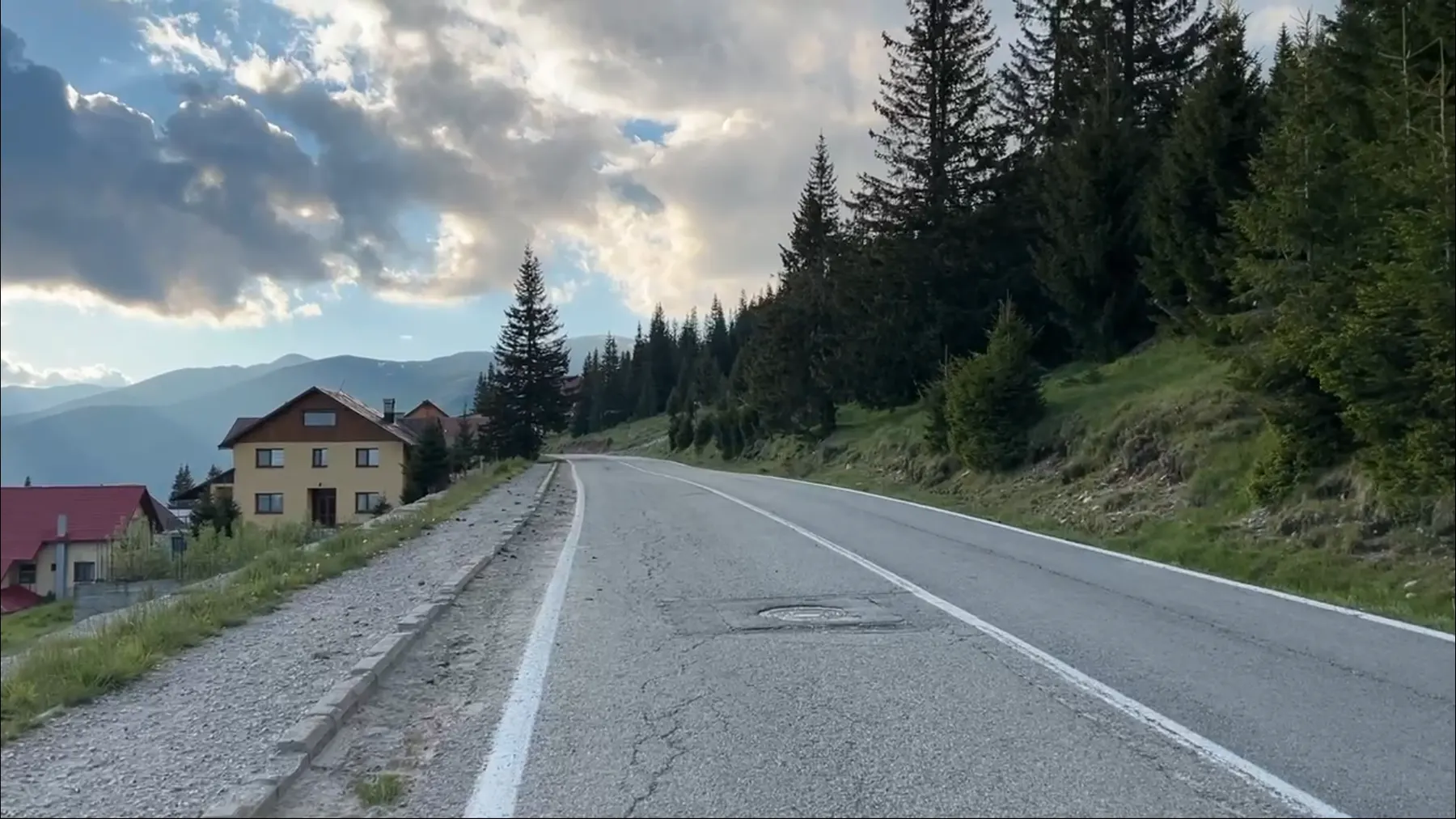
Where to Stay on the Transalpina: My Experience in Ranca
Wondering where to stay on the Transalpina? After driving Romania's highest mountain road several times, I found Rânca to be the most practical base. Here's why I chose it, what to expect, and whether it's the right place for your trip.
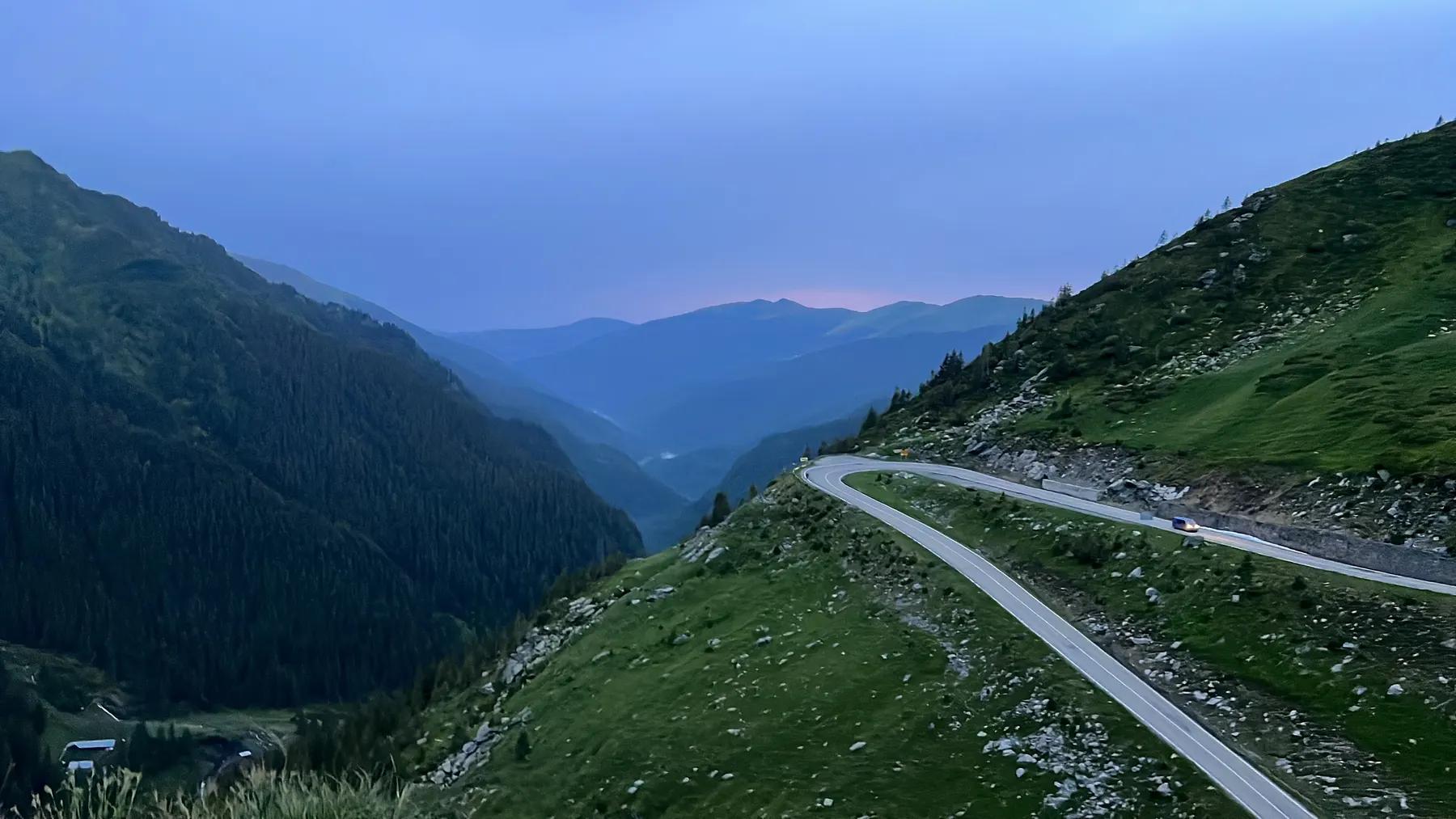
Is Driving the Transfagarasan in the Evening Worth It? My Honest Experience
Thinking about driving the Transfagarasan in the evening? Here's what the experience is really like, including traffic, scenery, safety, and whether sunset is the best time to visit.
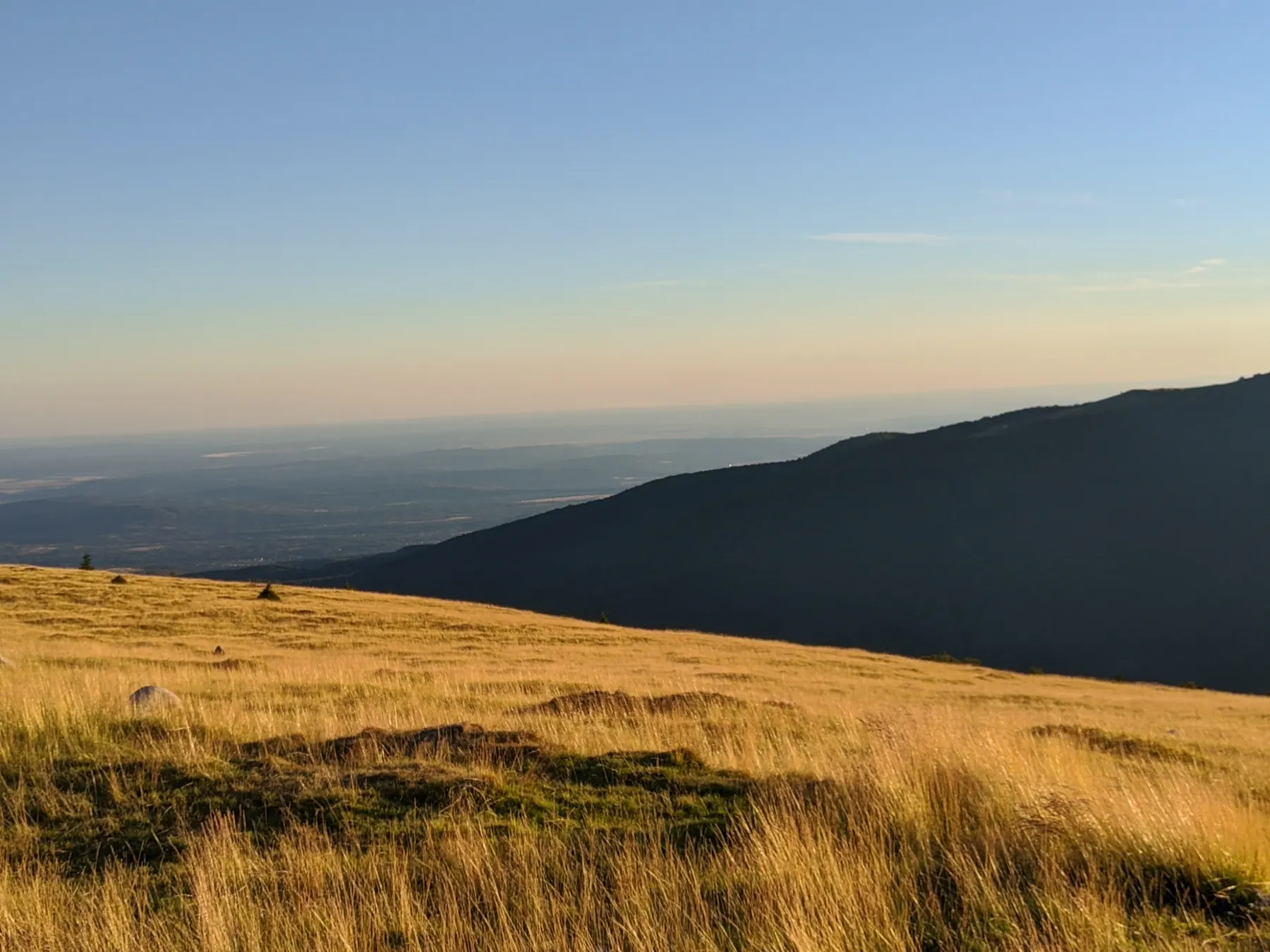
Driving the Transalpina: Everything I Learned After Multiple Trips
Planning to drive the Transalpina? After multiple trips, here's everything I wish I knew before going—from road conditions and accommodation to common mistakes, safety tips, and the best time to experience Romania's highest mountain road.