
Soroca Fortress, Moldova: Opening Hours, Tickets & What to Expect
I grew up in Soroca, so the fortress has never felt like a distant tourist attraction to me. I have been inside many times and passed it more times than I could realistically count.
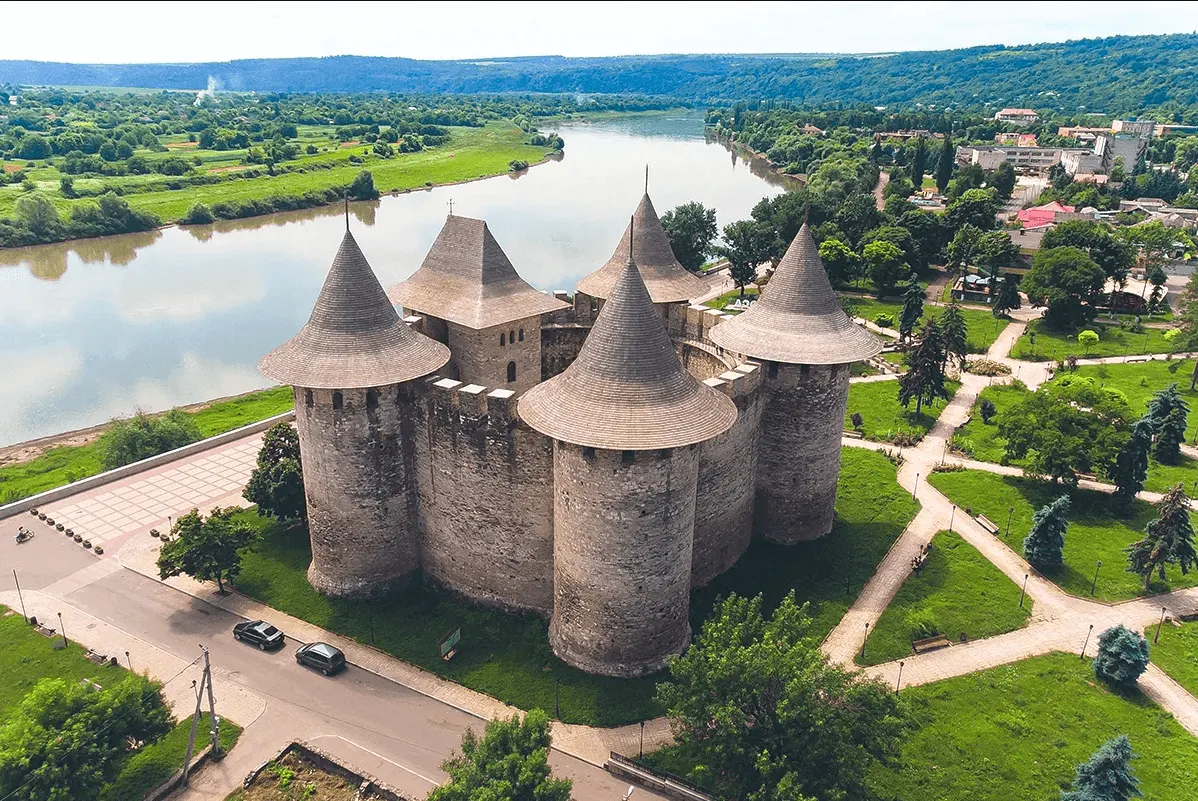
That familiarity can make it easy to underestimate how unusual it looks to someone seeing it for the first time. The compact circular walls, five towers and position directly beside the Dniester make Soroca Fortress very different from the large ruined castles people often expect when they hear the word "fortress".
If you are planning to visit in 2026, the practical side is straightforward. The fortress reopened for the season on April 1 after improvements to the exhibitions, and several newer elements have been added inside.
Soroca Fortress Opening Hours and Tickets
As of the 2026 season, Soroca Fortress is open Wednesday to Sunday from 10:00 to 17:30, without a lunch break. It is closed on Mondays and Tuesdays.
Current entrance prices are:
- Adults: 30 MDL
- Children aged 7–17: 10 MDL
- Children under 7: free
- Visitors with disabilities: free, with free access also provided for eligible accompanying persons
The fortress reopened on April 1, 2026 after being closed during the colder months for exhibition improvements. It normally operates seasonally, so if you are visiting late in autumn or during winter, I would check the current status before making the trip specifically for the fortress.
You can buy the ticket when you arrive. There is no need to complicate a normal individual visit with advance ticket bookings.
Where Is Soroca Fortress?
The fortress is at 78 Independenței Street, directly beside the Dniester River in central Soroca.
If you are already staying in Soroca, getting there is easy on foot or by taxi from almost anywhere in the central part of the city.
If you are coming from Chișinău, I would not repeat the whole transport process here. I have a separate Soroca travel guide with the minibus, driving and practical information for reaching the city.
What You Actually See Inside Soroca Fortress
Do not expect a huge castle complex that takes half a day to explore. Soroca Fortress is compact, and that is part of its character.
Once inside, you can walk through the courtyard, explore the defensive structure, climb through parts of the towers and see exhibitions explaining the fortress and the medieval history of the region.
The visitor experience has improved considerably in recent years. For the 2026 season, the fortress introduced an interactive 3D hologram of Stephen the Great, together with 3D representations connected with Bogdan III and Petru Rareș. Visitors can also see the diorama "A Fair Day at Soroca Fortress" and a reconstructed medieval defensive feature known as Gura lupului.
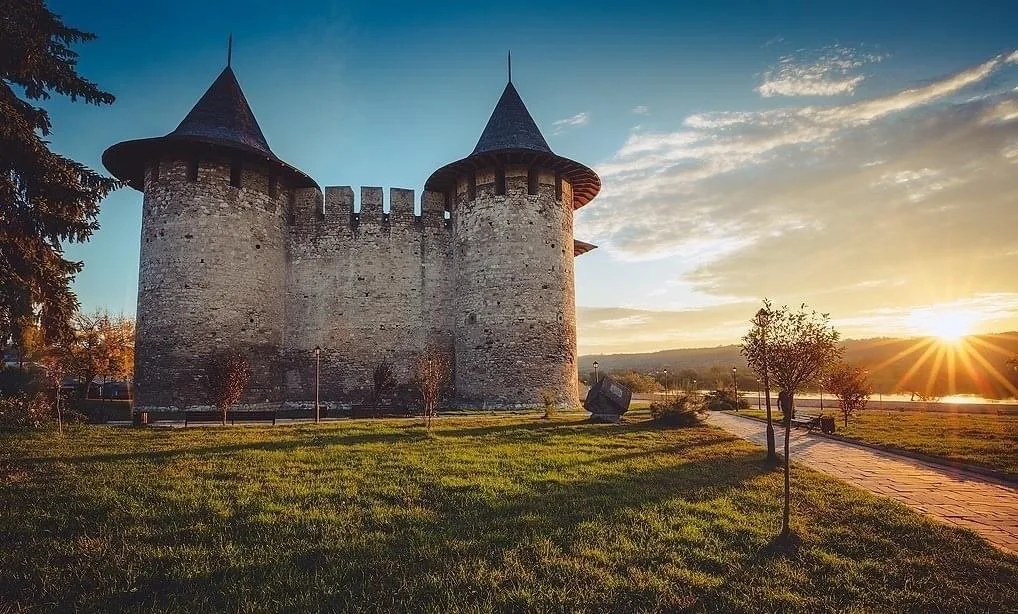
I would spend some time looking at the fortress from outside as well. Its shape is much easier to understand from the park and river side than when you are standing inside the courtyard.
A Short History of Soroca Fortress
You do not need a long history lesson before visiting, but a little context makes the building much more interesting.
A wooden fortress was originally established here under Stephen the Great in the 15th century as part of Moldova's defensive system along the Dniester. The stone fortress seen today was later built under Petru Rareș in the 16th century.
Its design is unusually compact and symmetrical, with a circular layout and five defensive towers. The walls are more than three metres thick and reach around 21 metres in height.
Because of its position on the Dniester, Soroca had an important strategic role in controlling this part of medieval Moldova. What makes the fortress interesting today is that you are not looking at a vague outline of ruined walls. The structure is still visually complete enough for you to understand what the fortification actually looked like.
How Much Time Do You Need?
For most visitors, I would allow around 45 minutes to one hour.
You can move through it faster if you only want to see the courtyard, climb around and take a few photos, but rushing through in 15 minutes defeats the point.
If you book a guide and want more historical detail, allow longer.
The fortress works best as one part of a day in Soroca rather than the entire reason for spending a full day in the city. You can combine it easily with the riverfront, Gypsy Hill, the Candle of Gratitude and other places around Soroca.
I have a one-day Soroca itinerary if you want to organise those stops without constantly going back and forth across the city.
When Is the Best Time to Visit?
I would choose a weekday if your schedule allows it.
During the warmer months, weekends can bring organised groups, school trips and more domestic visitors. Soroca is never comparable with Prague or Venice in terms of tourist crowds, but the fortress itself is small, so even a few groups can noticeably change the experience.
Morning is usually the easiest time if you want quieter photos and a more relaxed walk through the exhibitions.
Spring and early autumn are particularly comfortable because you can combine the fortress with walking around the city without the stronger summer heat.
Should You Book a Guide?
You can visit perfectly well on your own, especially now that there are more exhibitions inside.
A guide becomes useful if you actually want to understand the military history, architecture and role of Soroca rather than simply walking through the rooms and towers.
For 2026, guided visits are preferably arranged in advance at:
+373 697 45 369
Groups arriving without a reservation may still receive guiding services, but only if someone is available.
For an individual traveller who mainly wants to explore visually, I would not consider a guide essential.
What I Would Know Before Visiting
The biggest mistake would be coming to Soroca in winter and assuming the fortress works on the same schedule all year. It is a seasonal attraction and has closed during the colder months in recent years.
I would also avoid building your entire Soroca day around the fortress alone. It is the city's main landmark, but the actual visit is not very long.
English is also less commonly used here than Romanian or Russian. That rarely causes a serious problem when buying a ticket, but having Google Translate available can help if you need to ask something more specific.
After the fortress, you are already in a good position for a walk along the Dniester and through the central part of Soroca. There are cafés close by, so there is no need to plan food or coffee stops in advance.
Is Soroca Fortress Worth Making Time For?
If you are already visiting Soroca, I would absolutely include it.
I may be biased because I grew up here, but the more useful comparison is watching people who are seeing it for the first time. Tourists regularly stop in the park simply to look at the building before they even go inside.
The fortress is not enormous and you will not spend half a day exploring it. What makes it memorable is the combination of its preserved shape, the Dniester beside it and the fact that it looks very different from most medieval sites in this part of Europe.
For the broader trip, including where to stay, how to get from Chișinău and what else to see, continue with my complete Soroca guide.
Rate this guide
No ratings yet
Be the first to rate this guide.
Tap to rate
Questions & Comments
Travel Smarter, Not Harder
Get practical travel tips, hidden gems, and real experience-based guides straight to your inbox.
By subscribing, you agree that I may use your email to send newsletter updates, new guide alerts, and occasional travel emails. You can unsubscribe anytime using the link in any email. Read the Privacy Policy and Cookie Policy.
Read Next

Soroca, Moldova Travel Guide: What to See & How to Get There
Planning a trip to Soroca, Moldova? Learn what to see, how to get there from Chișinău, where to stay, costs, and practical tips from someone who grew up there.

Budapest Evening Danube Cruise: My Experience, Cost & Practical Tips
What is a Budapest evening Danube cruise actually like? See the typical cost, best time to go, what you’ll see and practical booking tips.
National Technical Museum Prague: Is It Worth Visiting?
Is Prague’s National Technical Museum worth it? Here’s what to see, how much time you need, current ticket prices and practical tips before visiting.